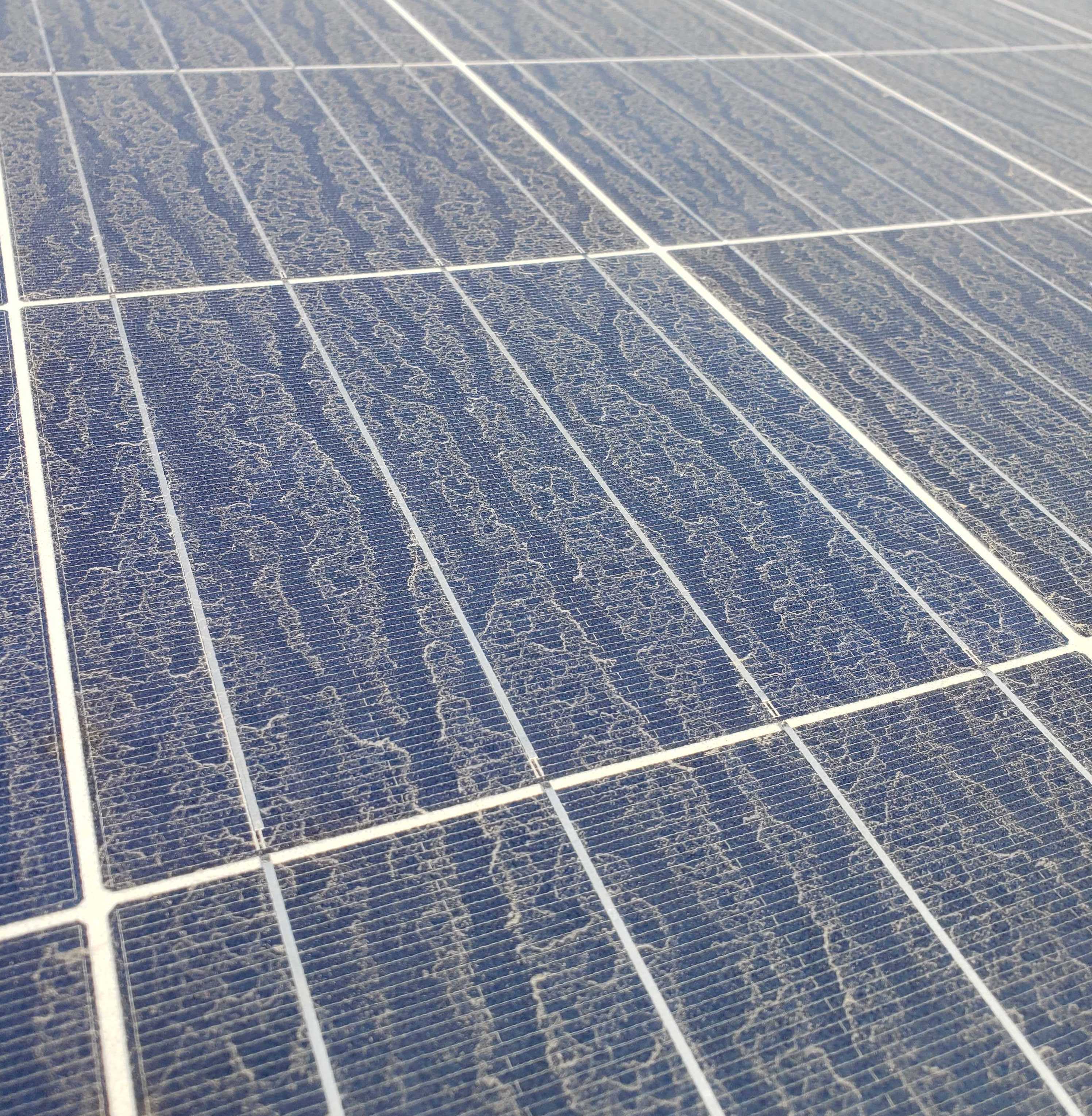
Maximise Energy Efficiency
Dust, dirt and pollen block sunlight from reaching your panels, reducing electricity production. Regular cleaning helps restore lost performance and gets more out of your solar investment.
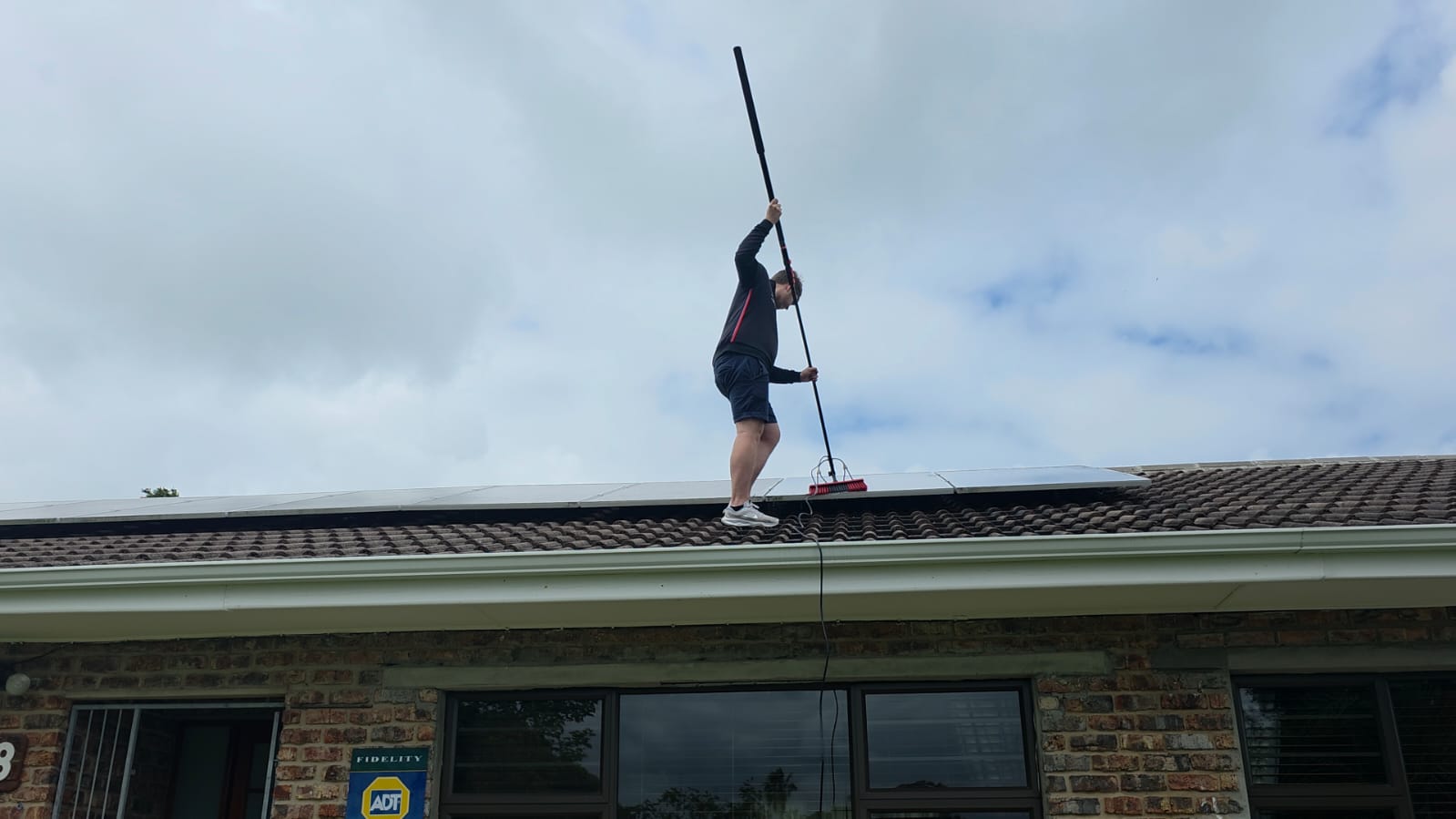
Solar panel cleaning for homes, complexes, and commercial installations across the Eastern Cape, using soft-bristle brushes and reverse-osmosis-filtered water.
Dust, pollen, bird droppings, and other residue can build up on panel glass. The amount and effect vary with the site and conditions.
Dust, dirt and pollen block sunlight from reaching your panels, reducing electricity production. Regular cleaning helps restore lost performance and gets more out of your solar investment.
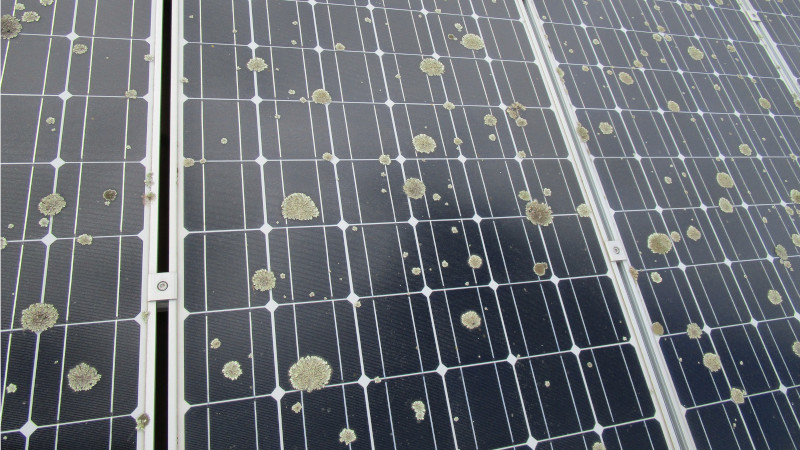
In damp or coastal environments, organic growth can form on solar panels, blocking sunlight and affecting performance. Regular, gentle cleaning helps remove this build-up before it becomes harder to treat.
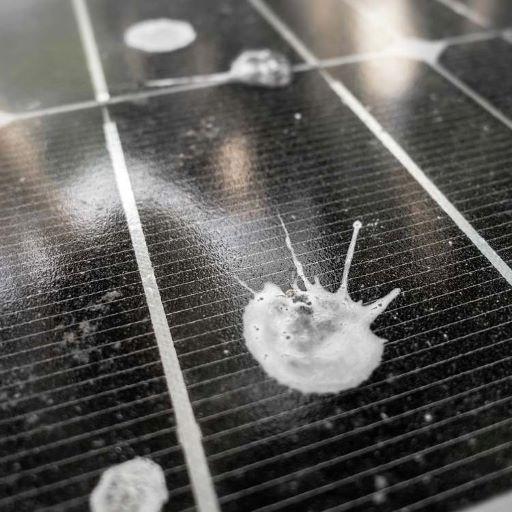
Bird droppings and stubborn dirt can cause uneven shading and, in certain conditions, contribute to hot spots. Proper cleaning helps reduce these risks and maintain your panels.
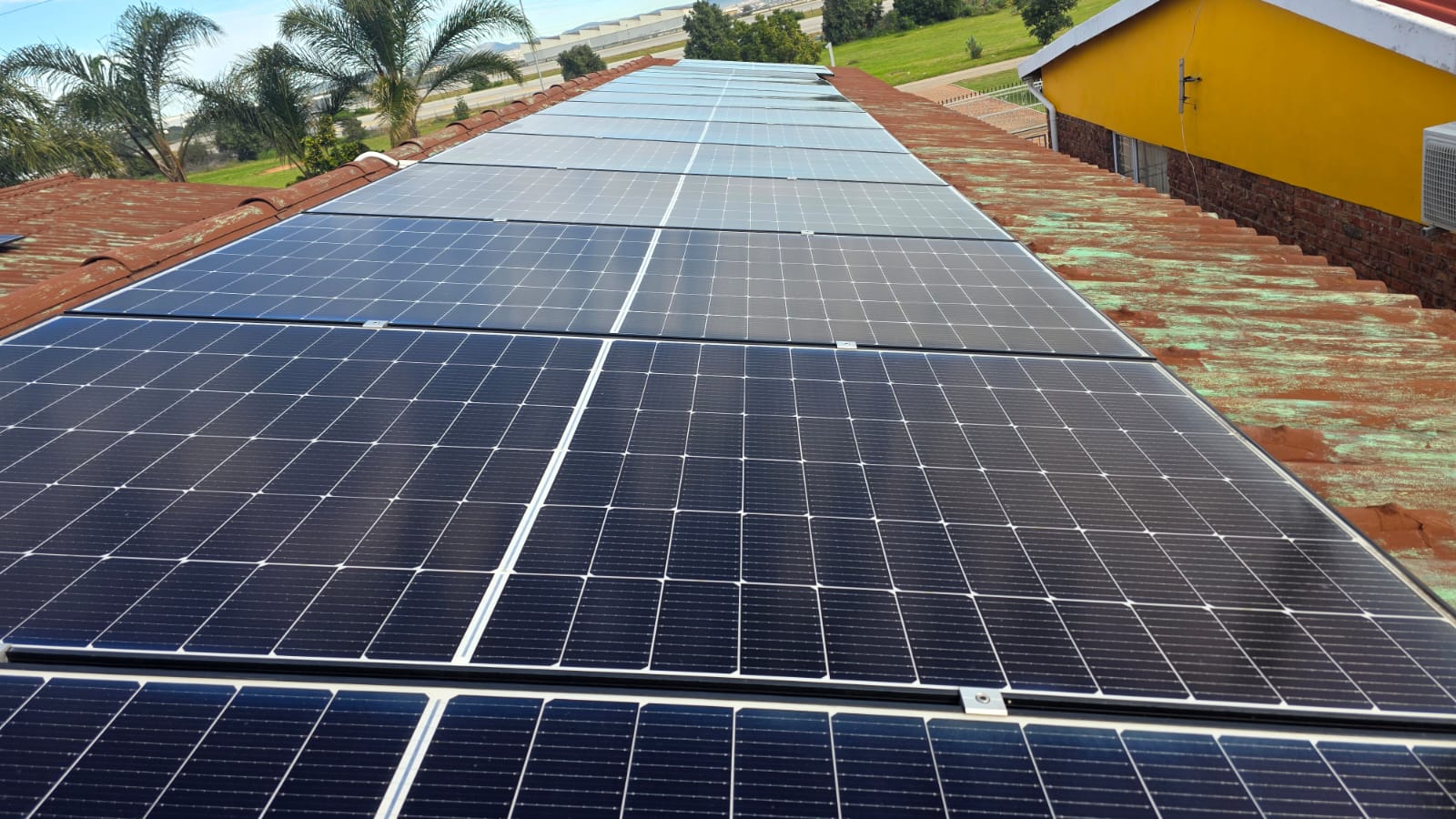
Dirty panels can mean less solar power and more electricity purchased from the grid. Keeping panels clean helps maintain energy production and maximise your potential savings.
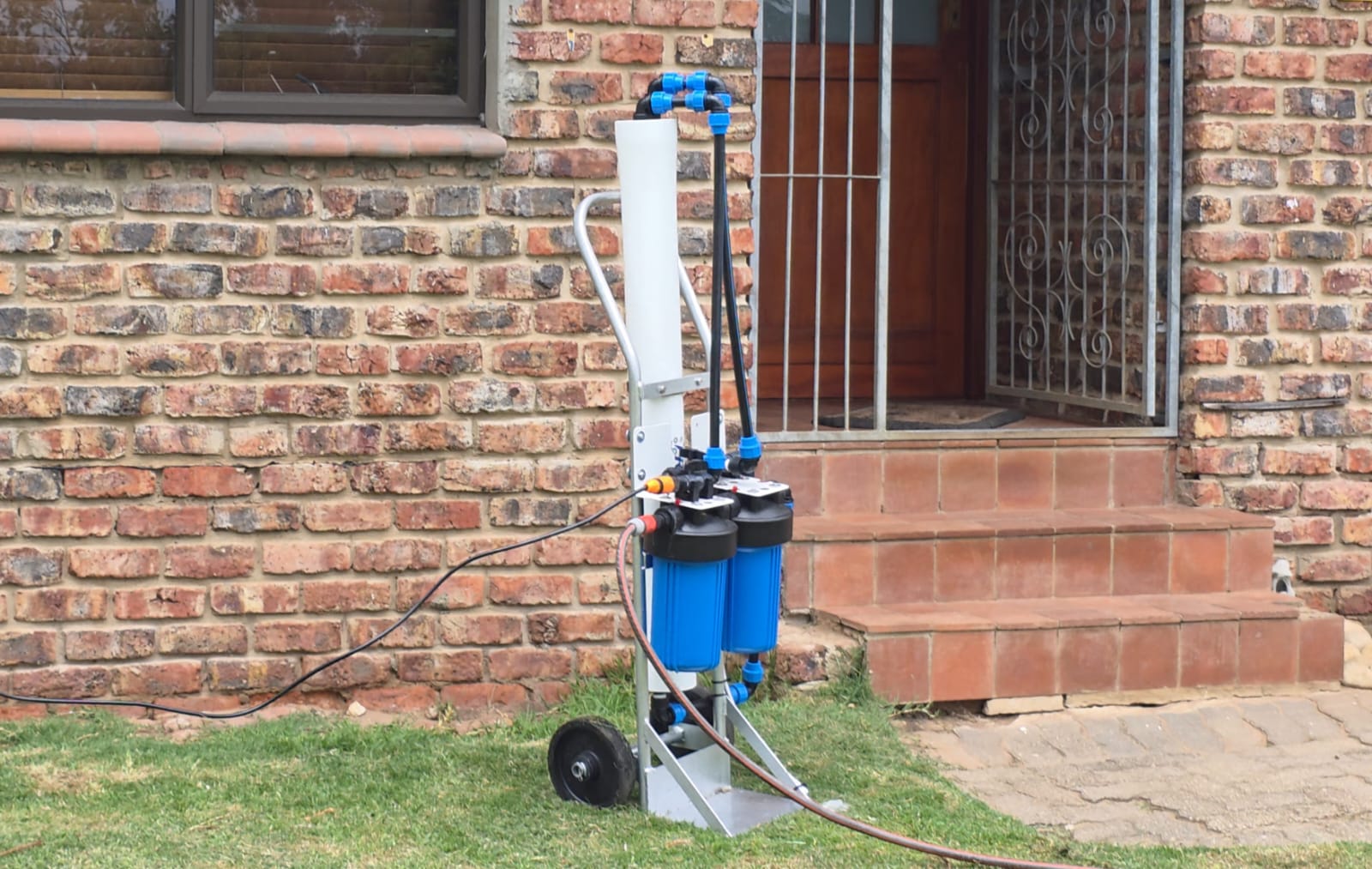
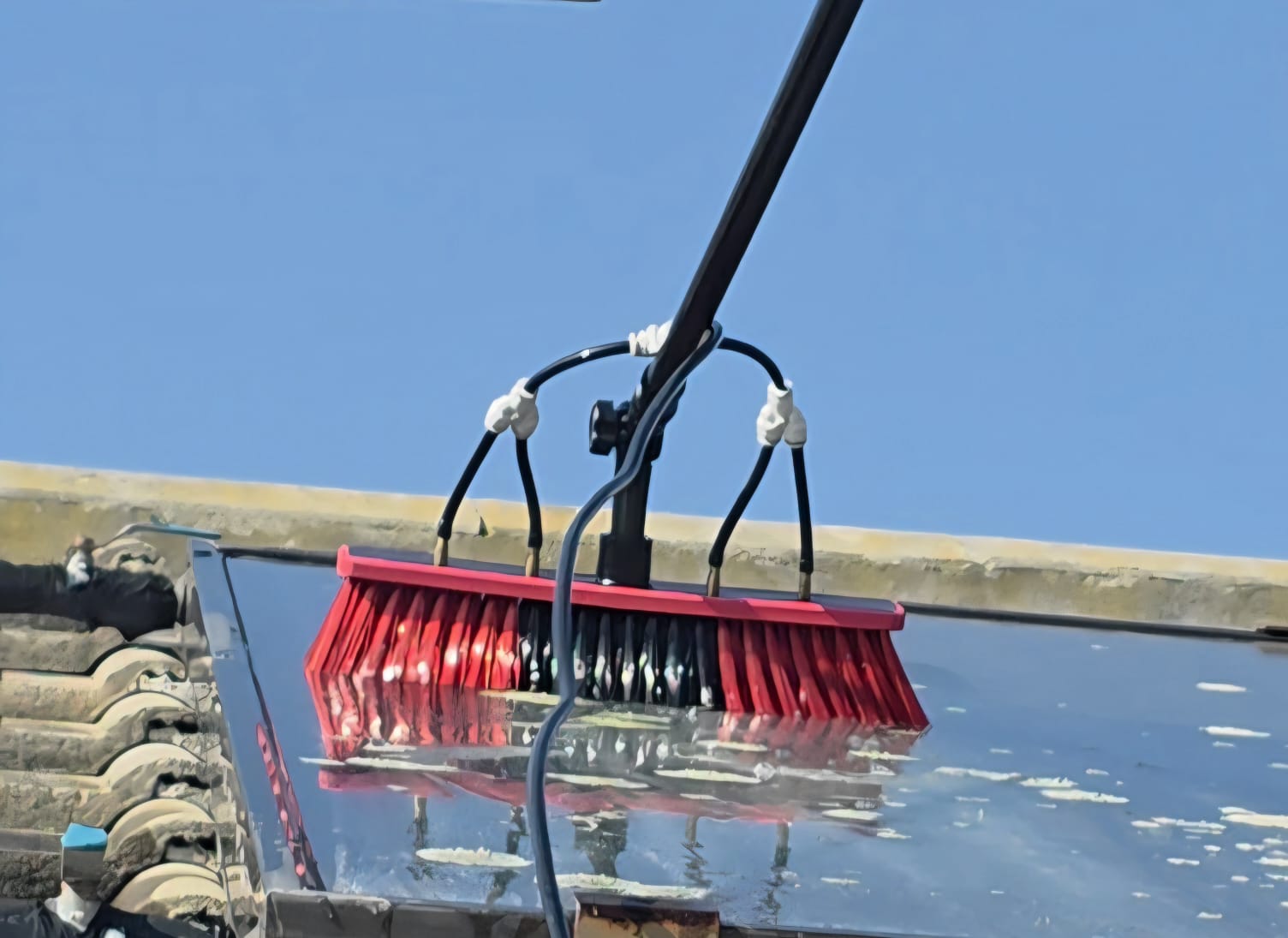
We clean solar panels using soft-bristle brushes and reverse-osmosis-filtered water, typically measuring 0–10 ppm TDS.
 01 • Cleaning
Dust, pollen, and other residue can collect on panel glass. Our cleaning service removes surface soiling using soft-bristle brushes and RO-filtered water.
 02 • Safety
We use a non-abrasive cleaning method. Cleaning instructions can vary by panel, so we follow the relevant manufacturer's guidance.
 03 • Reliability
We provide solar panel cleaning for residential, complex, and commercial installations in the Eastern Cape.
From an initial site assessment to a final visual check.
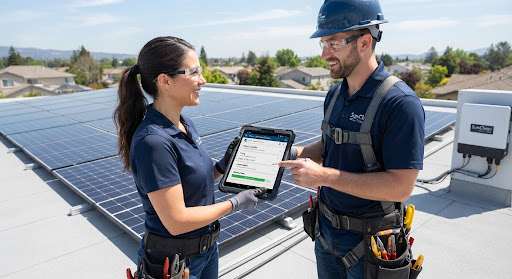
We confirm panel access, evaluate soiling levels, examine mounting pitch, and detect any visible risks or pre-existing defects before starting.
We clean with soft-bristle brushes and reverse-osmosis-filtered water, typically measuring 0–10 ppm TDS.
We finish with a visual check and, where appropriate, share photos of the completed cleaning.